
How Mobile Game Studios Use UGC to 3x ROAS in 2026
Mobile game studios keep leaning on UGC because polished trailers rarely beat believable creator-style ads for installs. If you make content for apps, this is the playbook for creating gaming UGC that actually moves ROAS.
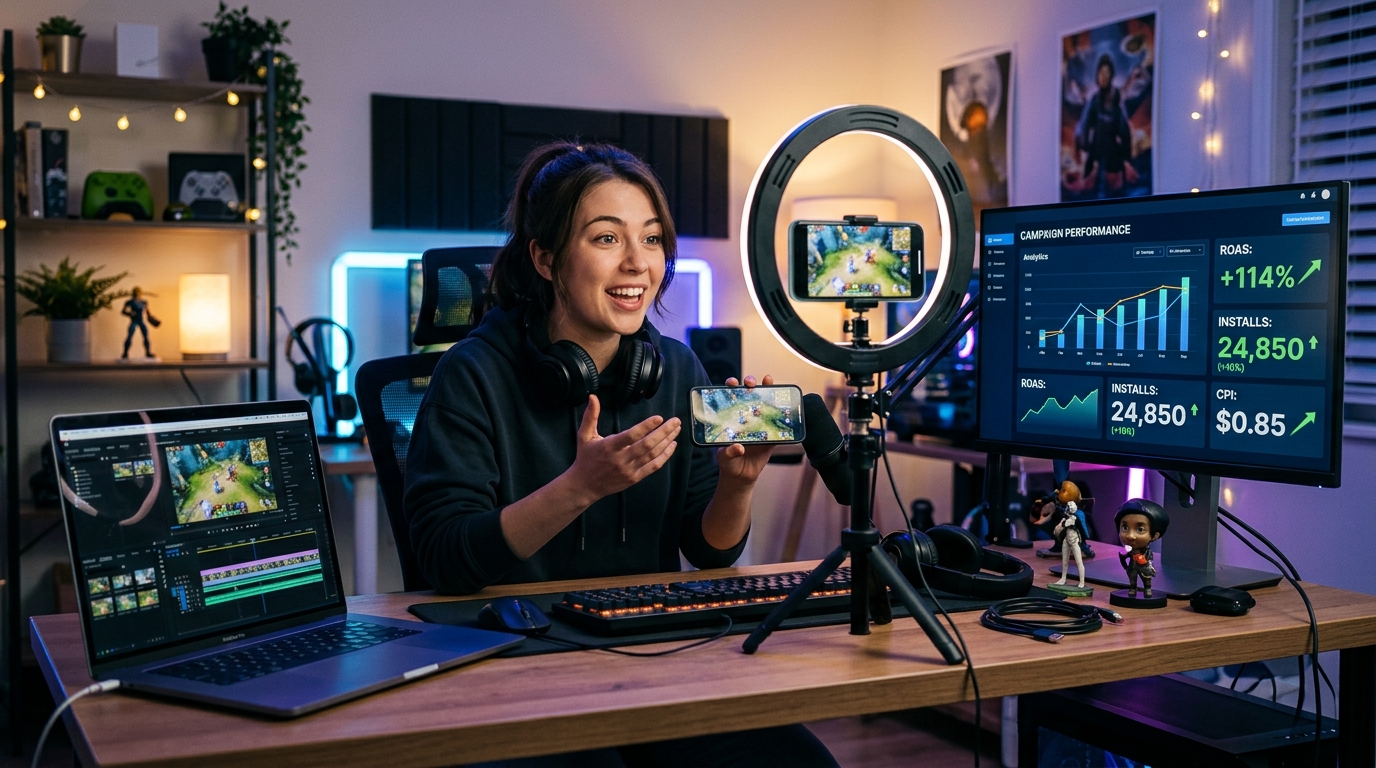
UGC ads for mobile game studios are creator-style videos that make a game look believable, playable, and worth downloading. They usually beat glossy brand trailers on paid social because they feel closer to what people actually watch in-feed. That matters because mobile gaming CPIs are volatile, attention is brutally short, and one better hook can change campaign economics fast.
If you are a UGC creator, this niche is worth paying attention to. Mobile game advertisers buy volume. They test angles aggressively. And when something works, they do not just want one more version, they want ten. That makes gaming one of the clearest categories where creators can sell iteration, not just a single asset.
Why mobile game studios lean so hard on UGC
Game studios live or die on unit economics. If a studio buys installs at $1.80 and earns back only $1.20 inside the first 30 days, the math is ugly. If creative changes drop CPI to $1.20 while retention stays stable, the whole campaign starts to make sense.
UGC helps because it closes the gap between ad and in-app experience. A polished cinematic trailer might look expensive, but it can also create the wrong expectation. Creator-style ads usually work better when they do three things well:
- show actual gameplay in the first few seconds
- make the emotional payoff obvious fast
- sound like a real person reacting, not a brand reading lines
For mobile games, that combination often improves click-through rate and install intent because the audience immediately understands what the game is, who it is for, and why it might be fun. In many paid social accounts, that is enough to move CTR from roughly 0.9% to 1.4% or better. That kind of jump matters.
What 3x ROAS really means in mobile gaming
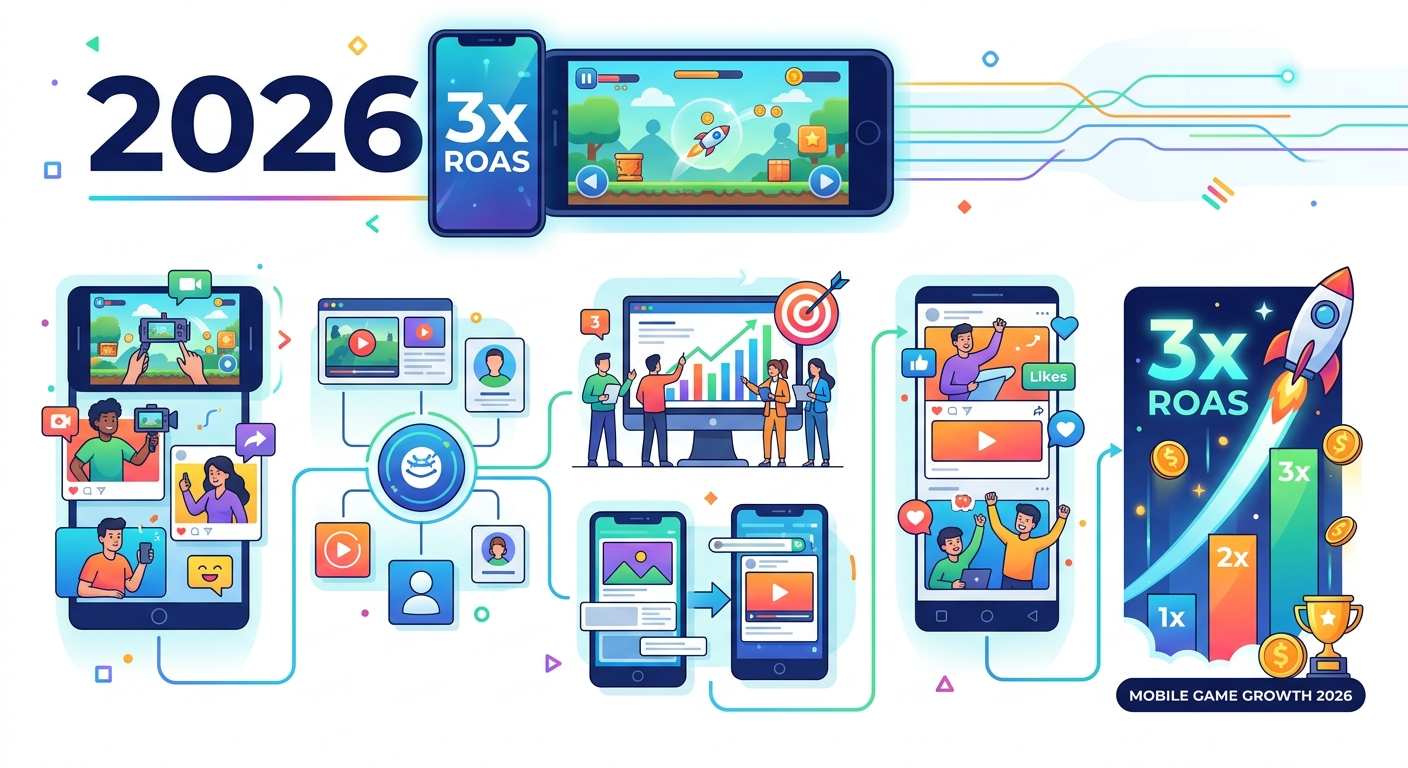
The headline sounds dramatic, but the mechanism is usually pretty ordinary. Studios do not magically triple returns with one video. They get there by reducing waste.
Imagine a campaign spending $10,000 on TikTok or Meta. Version A is a polished trailer that lands a 0.8% CTR, a $2.40 CPI, and weak day-1 retention. Version B is a creator-led ad with a sharp gameplay hook, clearer social proof, and faster payoff. It lifts CTR to 1.5%, lowers CPI to $1.35, and attracts players who actually expected the game they downloaded. If downstream retention and payer conversion hold, ROAS can improve massively, sometimes close to 2x or 3x versus the original baseline.
That is why studios keep asking for more creator ads. The win is rarely just about looking native. It is about better pre-qualification. Good UGC filters in the right users and filters out the wrong ones.
The formats game studios keep testing
Reaction-style ads
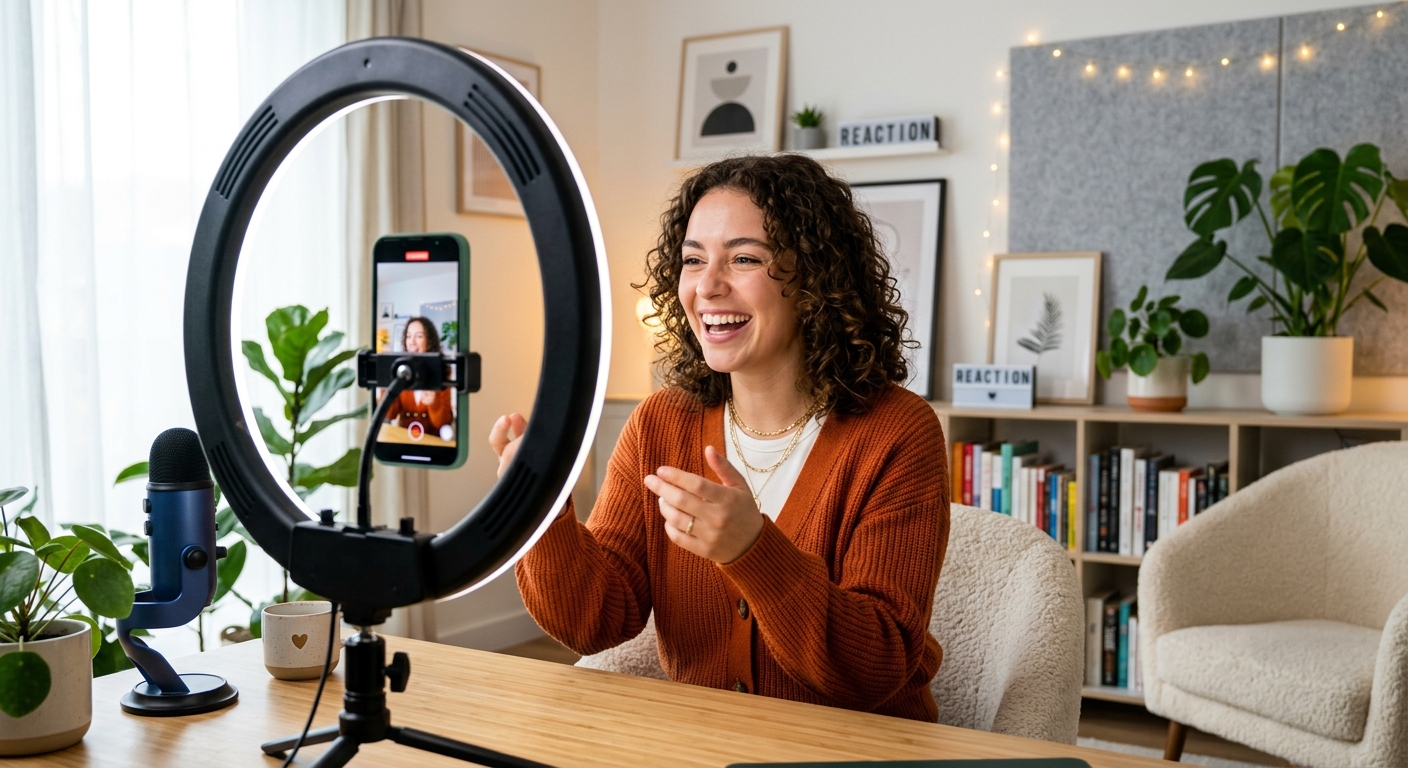
These work because they compress curiosity and proof into one format. You show a creator seeing the game, reacting to a mechanic, then cutting straight into gameplay. Reaction Videos: The Format Every App Studio Should Be Testing is a good reference here.
I thought this game was fake hooks
A lot of top-performing mobile ads start with skepticism. The creator doubts the ad, tests the game, then gets pulled in. It works because disbelief is a natural thumb-stopper. You are not selling too early. You are inviting the viewer into a mini experiment.
Problem-solution gameplay
This is common in puzzle and strategy games. Start with a failing move, a near-loss, or a frustrating level. Then show the clever solution. The structure is simple, but it creates tension fast. And tension keeps watch time up.
Competitive or challenge framing
Hooks like "Bet you cannot beat level 12" or "Only 3% of players solve this first try" still work when the claim feels plausible. Specificity helps. Random hype does not.
What studios actually want from UGC creators
Most game studios are not hiring creators for personal audiences. They are hiring for performance assets. That changes how you should pitch.
They care about:
- hook variety, not just one polished script
- fast turnarounds, often 48 to 72 hours
- clean delivery of raw footage plus edited versions
- willingness to iterate on winners
- comfort following performance feedback instead of ego
This is one reason How to Build a UGC Content Factory That Never Runs Out of Creatives matters beyond brand teams. If you can batch hooks, intros, CTAs, and gameplay overlays, you become much more useful to app advertisers.
For creators who want an easier way into this market, DansUGC is worth studying because it is built around real human content at scale, which is exactly what mobile advertisers keep needing when fatigue hits.
The numbers that usually decide whether a gaming UGC ad scales
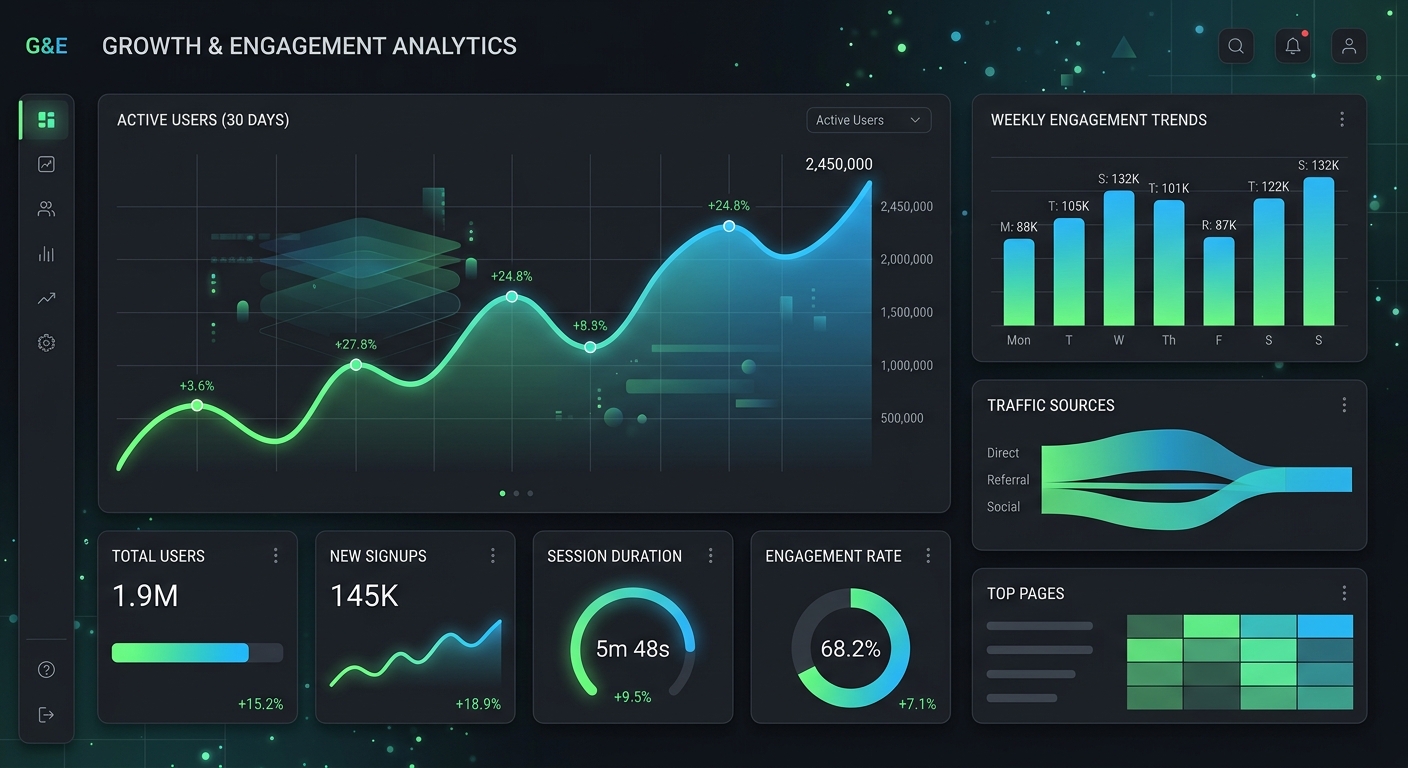
You will not always get full dashboard access, but you should know the performance signals. In mobile gaming, the creative team is usually looking at some version of these metrics:
- CTR or outbound CTR
- install rate from click to store visit
- CPI or cost per install
- day-1 and day-7 retention
- ROAS, often measured on day 1, day 7, or day 30
- thumb-stop rate and hold rate
A creator who understands this language is easier to trust. If a buyer says, "This angle had a strong hook but low install conversion," you should hear, "The ad got curiosity but maybe overpromised the actual game."
How to make gaming UGC convert better
Show gameplay before the viewer scrolls
The best gaming ads do not hide the product. In many cases, the first one to two seconds need actual gameplay, not a long selfie intro. You can still use creator face cam, but gameplay has to arrive almost immediately.
Make the outcome obvious
Viewers should quickly understand the reward loop. Is the game relaxing, competitive, chaotic, brainy, or weirdly satisfying? Pick one lane and make it obvious. Mixed signals usually hurt performance.
Keep claims believable
Gaming ads have a bad reputation for fake gameplay, inflated challenge claims, and bait-y edits. That is exactly why authentic creator delivery stands out. If you can make the ad feel real, you already have an edge over lazy competitors.
Build variations around one winning angle
When a concept works, do not just duplicate it. Spin out 5 to 10 versions with new hooks, pacing, creator faces, or CTA lines. The App Studio Guide to Scaling UGC Production in 2026 and Why Your TikTok Ads Need 20+ Fresh UGC Creatives Every Month both connect to this point. Scale comes from structured variation.
Where DansUGC fits in
A lot of studios do not have time to source, brief, chase, and re-brief dozens of freelancers every month. That is why platforms and production systems matter. DansUGC is useful in this conversation because it leans into volume, real human delivery, and creator variety, which is exactly what game marketers need when testing hooks across genres and audiences.
If you are a creator, that is the angle to understand. Buyers are not just shopping for talent. They are shopping for throughput. If you can act like a reliable testing partner, not a precious artist, you become easier to book again. DansUGC keeps showing up in these workflows for that reason.
A simple pitch for creators targeting game studios
If you want more gaming work, pitch around outcomes. Something like this works better than a generic portfolio intro:
- 3 core ad concepts for one game
- 5 hook variations
- 2 CTA endings
- raw footage plus edited cuts
- 72-hour first delivery
That package feels closer to how UA teams think.
FAQ
Why do UGC ads work well for mobile game studios?
Because they look native to TikTok, Meta, and short-form feeds while showing real gameplay quickly. That usually improves click-through rate, lowers CPI, and helps studios attract users with the right expectations.
Can UGC really improve ROAS for a mobile game?
Yes, especially when the old baseline is polished but weak-performing creative. Better hooks, clearer gameplay proof, and more honest creator delivery can materially improve CTR, CPI, and downstream retention, which lifts ROAS.
What kinds of mobile games use UGC ads most?
Puzzle, simulation, casual strategy, runner, and lifestyle game advertisers use UGC heavily. Any genre that benefits from visible gameplay and emotional reaction can usually test creator-led ads effectively.
What should UGC creators include in a pitch to game studios?
Lead with testing volume, fast turnaround, gameplay-first scripting, and variation packs. Studios care more about hooks, iterations, and usable assets than follower count.
How many UGC variations should a game studio test?
A practical starting point is 5 to 10 variations around 2 to 3 core concepts. Bigger spenders often want far more because fatigue appears quickly and winners need replacements before performance slips.
Ready to get UGC videos for your brand?
Real human creators, 48-hour delivery, full commercial rights. Starting at $9/video.