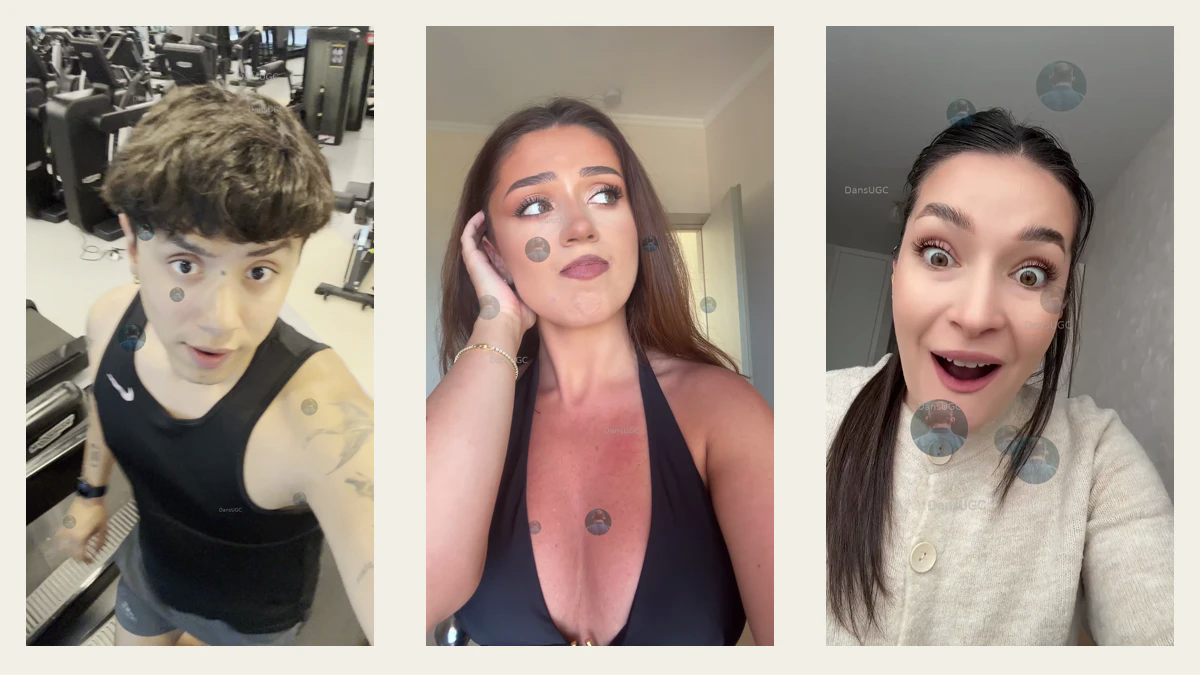
How to Test UGC Ads: Step-by-Step Framework for Performance Marketers
Test UGC ads by isolating variables (hooks, creators, angles), launching small batches fast, judging results on early signals (thumb-stop, CTR), and scaling winners while refreshing losers weekly.


Creative testing is the biggest growth lever in paid social, and the hardest to systemize. Targeting and bidding matter, but creative decides the winners. That’s why performance teams rely on UGC ads: they’re fast to produce, authentic, and easy to iterate.
This guide lays out a clear, repeatable framework for testing UGC ads, from ideation to scaling, so you can ship more creatives, learn faster, and compound results. It’s also designed as a hub you can link from all your UGC articles (hooks, reactions, pricing, platforms).
What “Testing UGC Ads” Really Means
Testing isn’t about finding one perfect ad. It’s about discovering patterns:
- Which hooks stop the scroll?
- Which emotions drive clicks?
- Which creators feel most credible?
- Which angles convert cold traffic?
UGC works because it lets you test many small bets instead of one big production.
The UGC Ad Testing Framework (Step by Step)
Step 1: Define the Single Variable You’re Testing
Don’t test everything at once. Pick one variable per batch:
- Hook (first 1–3 seconds)
- Creator (face, tone, delivery)
- Angle (problem, benefit, objection)
- Emotion (frustration, shock, relief)
- Format (talking head, reaction, demo)
Keep the rest constant so results are interpretable.
Step 2: Build Hook-First Concepts (Not Full Scripts)
UGC lives or dies in the first seconds. Start with hooks, not scripts.
Strong hook patterns include:
- “I almost quit because of this…”
- “Nobody talks about this problem…”
- Visible emotional reactions (surprise, frustration)
- Direct calls to the viewer (“If you’re doing X…”)
Write 3–5 hooks per angle before filming anything.
Step 3: Produce Variations Quickly (Volume > Polish)
Speed beats perfection. Aim for multiple variations per concept:
- Same hook, different creators
- Same creator, different hooks
- Same angle, different emotions
UGC-focused platforms like UGC Humans and Dan’s UGC Models are built for this pace, helping teams generate reaction-style creatives without long production cycles.
Step 4: Launch Tests with Clean Structure
Keep tests simple and comparable:
- One campaign
- Same budget per creative
- Same targeting and placements
- 3–5 ads per ad set (max)
Avoid over-segmenting. Let the algorithm learn.
Step 5: Judge Early on the Right Metrics
Don’t wait for purchases to decide what’s promising. Look at leading indicators:
- Thumb-stop rate (first 2–3 seconds)
- CTR (link click)
- Hold rate (watch time)
- CPM trends (relevance signal)
If an ad can’t earn attention, it won’t convert later.
Step 6: Kill Fast, Keep Winners
After 24–72 hours:
- Pause the bottom performers
- Duplicate winners into new tests
- Swap one variable at a time (new hook or creator)
Testing velocity matters more than perfection.
Step 7: Scale What Works (Then Refresh)
When you find winners:
- Increase the budget gradually
- Launch new variants of the same pattern
- Refresh hooks weekly to fight creative fatigue
Scaling is just testing at a higher spend.
How Many UGC Ads Should You Test?
A practical baseline for most teams:
- Weekly: 5–10 new creatives
- Monthly: 20–40 total tests
- Ongoing: Refresh winners every 7–14 days
The goal is constant learning, not constant reinvention.
Common Testing Mistakes to Avoid
- Testing too many variables at once
- Overproducing a single idea
- Judging ads only on ROAS
- Reusing one creator endlessly
- Ignoring emotional hooks
UGC rewards momentum and iteration.
How This Framework Connects to Your Other UGC Content
Use this post as your internal link hub:
- Link to UGC Hooks That Stop the Scroll from Step 2
- Link to UGC Reactions & CTR from Step 5
- Link to UGC Costs & Pricing from Step 3
- Link to UGC vs Traditional Ads in the intro
This strengthens topical authority and helps Google understand your expertise.
Final Thoughts
Testing UGC ads isn’t complicated, but it must be systematic.
Brands that win:
- Test faster than competitors
- Focus on hooks and emotion
- Learn from small signals
- Scale patterns, not one-offs
If you treat UGC testing as a process instead of a project, performance compounds.
Ready to get UGC videos for your brand?
Real human creators, 48-hour delivery, full commercial rights. Starting at $9/video.