UGC Models Explained: How to Become One and Earn in 2026
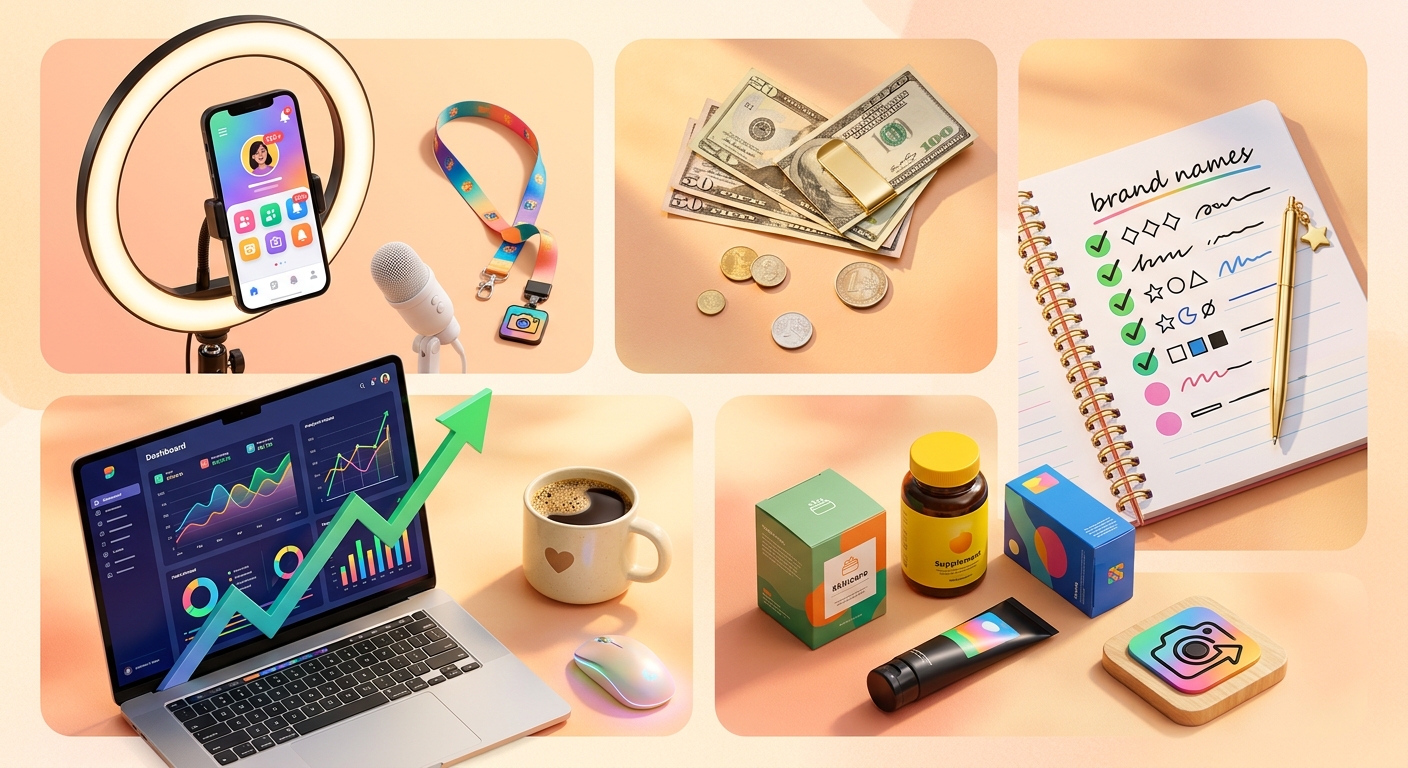
UGC models are everyday people paid to create authentic video and photo content for brands — no big following required. Here's exactly what the job involves, what it pays, and how to land your first deal in 2026.
UGC Models Explained: How to Become One and Earn in 2026
UGC models are everyday people who create authentic, on-camera video or photo content for brands, no massive following required. Unlike traditional influencers, UGC models get paid for the content itself, not for the audience they bring. The brand owns and distributes the content as ads, meaning your face and voice do the selling long after you've handed over the files.
What Exactly Is a UGC Model?
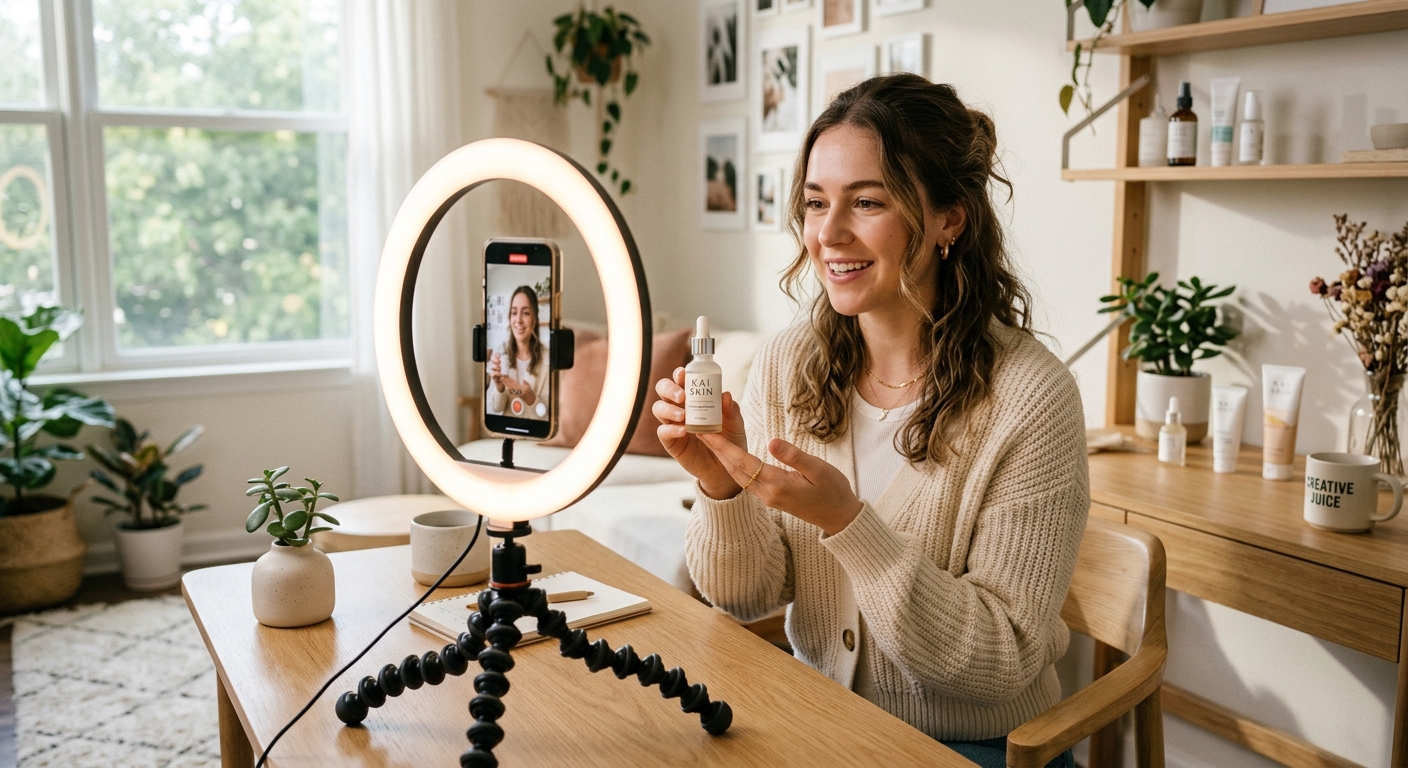
A UGC model (short for User-Generated Content model) is a creator hired by brands to produce realistic, consumer-style content that looks like it came from an actual customer. Think: someone filming a 30-second TikTok-style review of a skincare serum, a phone reaction video to a new app, or an "I tried this supplement for 30 days" testimonial straight to camera.
The key distinction: you're a content producer, not a media channel. Brands don't need you to post the content, they run it themselves as paid ads or use it organically on their own accounts.
This is why UGC models can earn solid income with zero followers. Your value is your ability to film convincingly and authentically, not your reach.
How Is a UGC Model Different From an Influencer?
The confusion between the two is common, but the business model is completely different:
- Follower requirement, UGC model: none. Influencer: typically 10k+.
- What you're paid for, UGC model: content files. Influencer: audience reach.
- Who posts the content, UGC model: the brand does. Influencer: you do, on your account.
- Rate basis, UGC model: per deliverable. Influencer: per post tied to follower count.
UGC models typically earn $150–$500 per video and hand over the files on delivery. Influencers charge based on reach and engagement rate. Both paths can be lucrative, but UGC modeling has a much lower barrier to entry, which is why it's exploded as a side income stream since 2023.

What Types of Content Do UGC Models Create?
The formats brands want most in 2026:
Reaction Videos
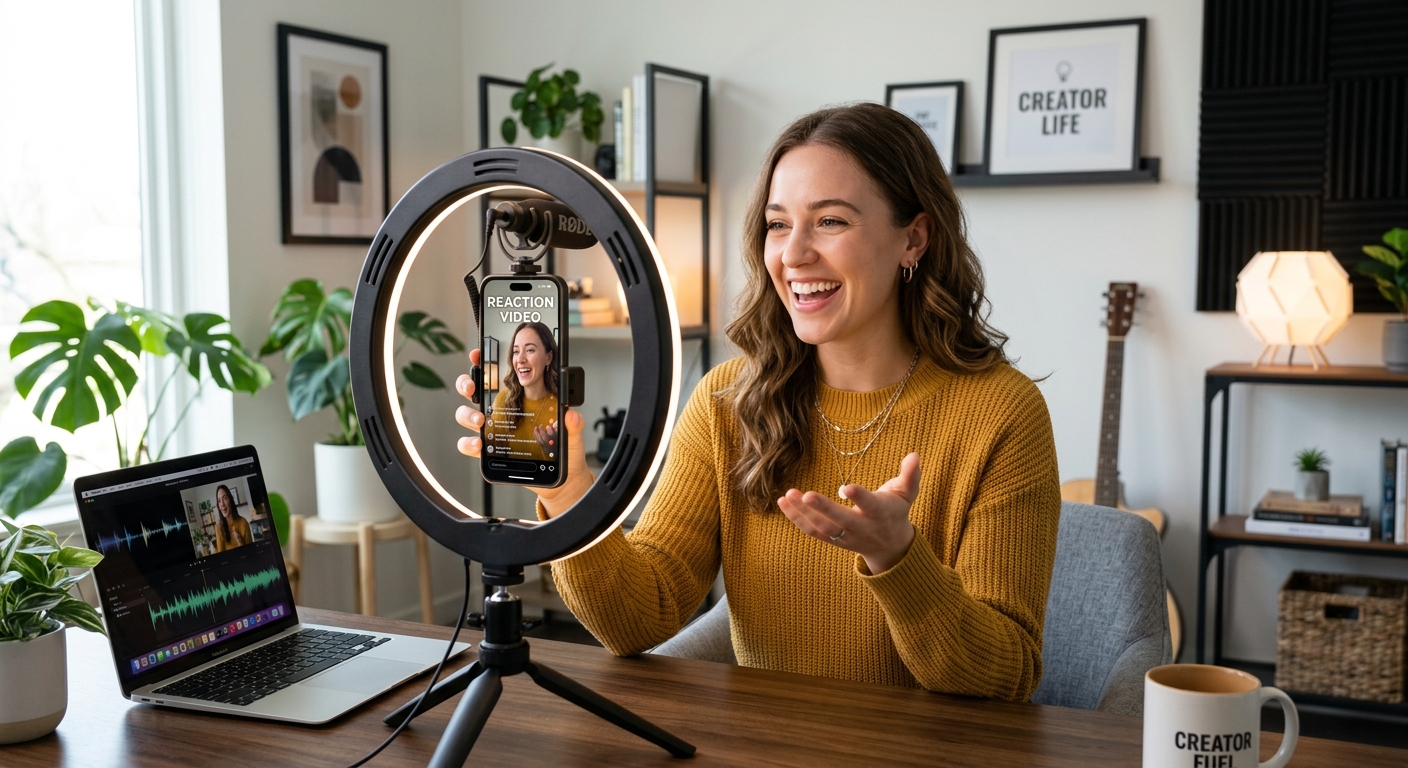
Genuine-looking "I just tried this" moments filmed casually on a phone. These are the highest-demand format because they perform well as TikTok and Meta ad creatives. Platforms like DansUGC specialise in sourcing exactly this type of content from vetted creators for consumer app brands.
Testimonial Videos
Structured 30–60 second reviews with a clear hook, problem statement, and outcome. These work especially well for supplements, SaaS tools, and beauty products.
Tutorial / How-To Clips
Showing a product in use, step by step. These convert well for anything with a learning curve, apps, kitchen gadgets, fitness gear.
Unboxing Content
Authentic first-impression videos. Still effective, especially for DTC brands in beauty, food, and tech accessories.
Lifestyle B-Roll
Ambient footage of someone using a product naturally, morning coffee routine, gym session, skincare before bed. Often used alongside talking-head content in edited ad packages.
How Much Do UGC Models Make?
Income varies by experience, niche, and how proactively you pitch. Here's a realistic income breakdown:
Beginner (0–3 months in)
- Per video rate: $75–$150
- Monthly income: $500–$1,200
- Typical output: 5–10 deliverables/month
Intermediate (3–12 months)
- Per video rate: $200–$400
- Monthly income: $1,500–$3,500
- Deliverables: 8–15/month
Full-time UGC model (1 year+)
- Per video rate: $400–$800+
- Monthly income: $4,000–$8,000+
- Output: 10–15 videos/month (higher rates = same volume, much more revenue)
Some niches pay significantly more. Finance, health supplements, and SaaS apps regularly budget $400–$600 per video. Beauty and food brands typically sit in the $150–$300 range. For the full breakdown, check out the highest-paying UGC creator niches guide.
How to Become a UGC Model: Step-by-Step
Step 1: Set Up Your Filming Space
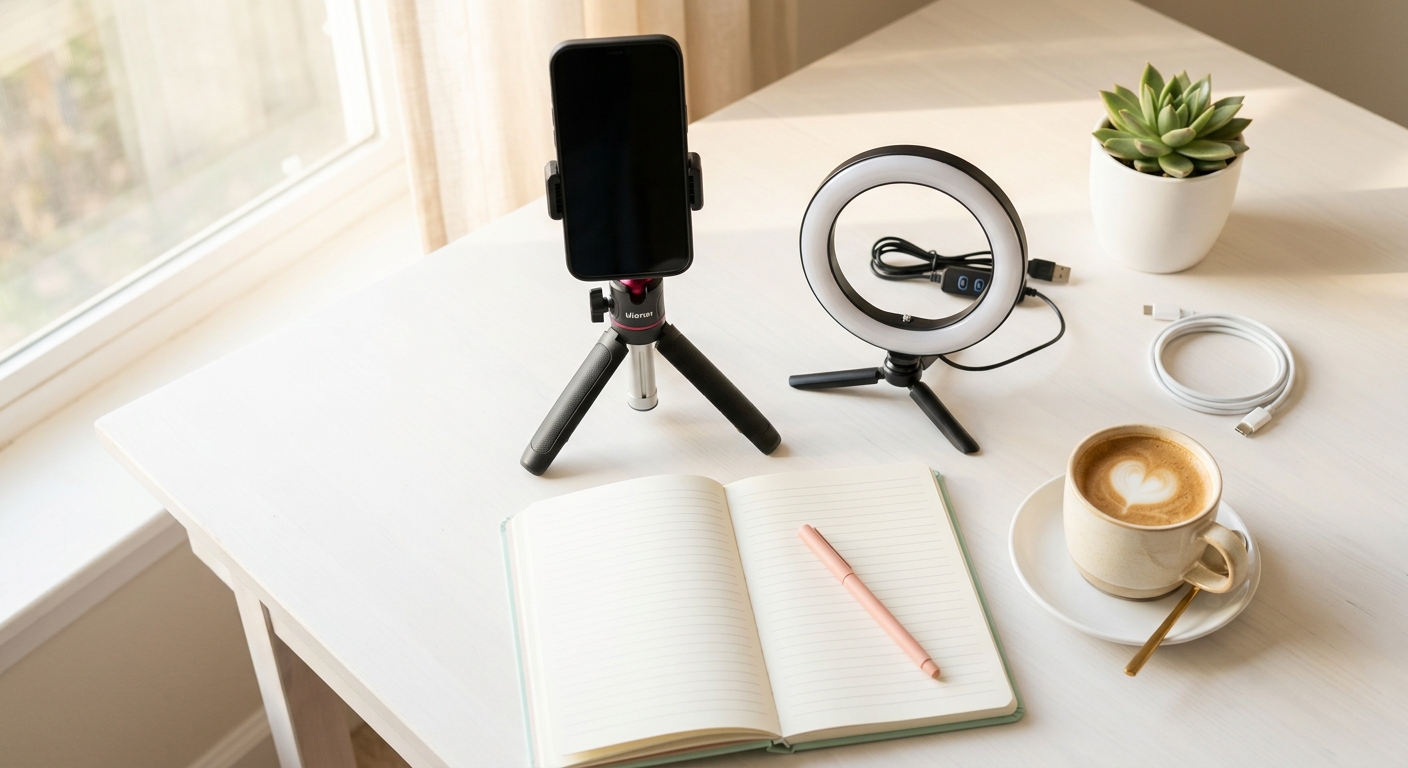
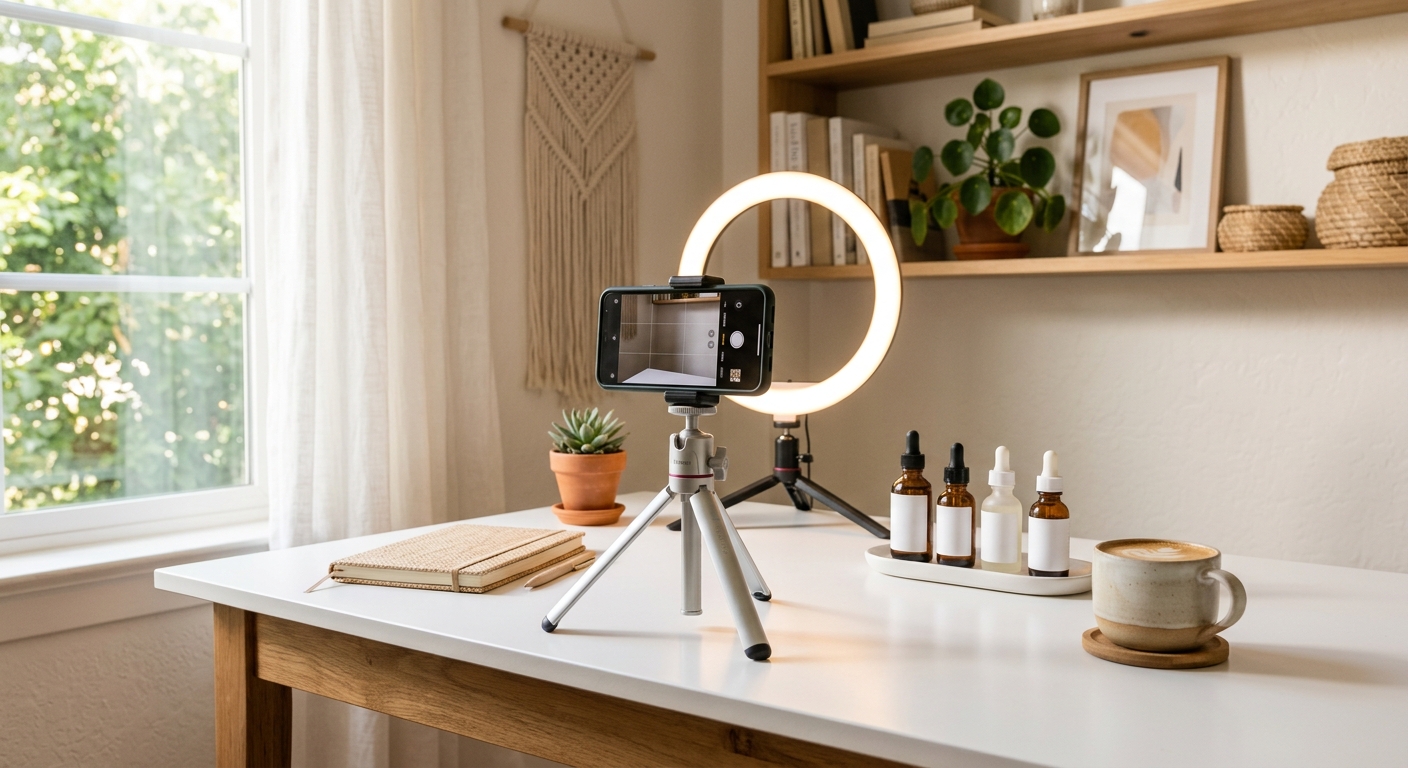
You don't need a studio. You need decent light and clean audio. A ring light ($25–$40), a phone tripod ($15), and a quiet room get you 90% of the way there. Most brands value authentic feel over production perfection, but they do care about audio. If your room echoes, a clip-on lavalier mic ($20–$40) is the single best investment you can make.
Step 2: Build a 3–5 Piece Portfolio
Your portfolio is your CV. Film 3–5 spec videos using products you already own, treat them as if a real brand hired you. Show range: one testimonial, one reaction, one how-to. Upload them to a creator storefront so brands can find and evaluate you instantly.
DansUGC makes this simple, your storefront displays your packages, previous work samples, and lets brands order directly without a back-and-forth email chain.
Step 3: Set Your Packages and Prices
Price with intention from day one. A basic package (1 video, raw file, usage rights) should start at $150 minimum. Many beginners under-price because they feel unproven, resist this. Brands that want quality expect to pay for it; too-cheap rates signal low confidence and attract bargain hunters. The UGC pricing guide walks through how to structure your first package without leaving money on the table.
Step 4: List on UGC Platforms and Marketplaces
Instead of cold pitching from scratch, list yourself where brands actively search for UGC models:
- [DansUGC](https://dansugc.com), focused on reaction-style UGC, growing base of app and consumer brand buyers
- Billo, product review videos, mainly e-commerce
- Insense, higher-volume marketplace, skews toward paid social ad content
- JoinBrands, beginner-friendly, heavy on product seeding
Being on multiple platforms multiplies your inbound leads without multiplying your workload. Treat each profile as a landing page: complete bio, clear packages, strong sample content.
Step 5: Deliver, Then Upsell
Your first video for a brand is an audition. After delivering, follow up: *"Happy to shoot a second variation with a different hook, testing two creatives often lifts ad performance by 20–30%."* This upsell works because it's genuinely valuable and costs you minimal extra time if you're already batching.
The UGC Model Mindset: You're Running a Business
The creators hitting $3k–$5k/month aren't necessarily more talented, they're more systematic. They batch-film on dedicated days, keep usage rights airtight in every agreement, and track which content formats get reordered most. They treat every new brand as a potential long-term client, not a one-off transaction.
For inspiration, the UGC creator success stories breakdown shows how real creators went from zero to consistent monthly income.
Common mistakes to avoid:
- No contract or usage rights clause, always define who owns what, for how long, and on which platforms
- Underpricing as a confidence strategy, it attracts the wrong buyers
- Filming one video at a time, batching setups cuts your per-video production time in half
- Neglecting your storefront, your digital presence is your full-time sales rep
What Brands Are Buying in 2026
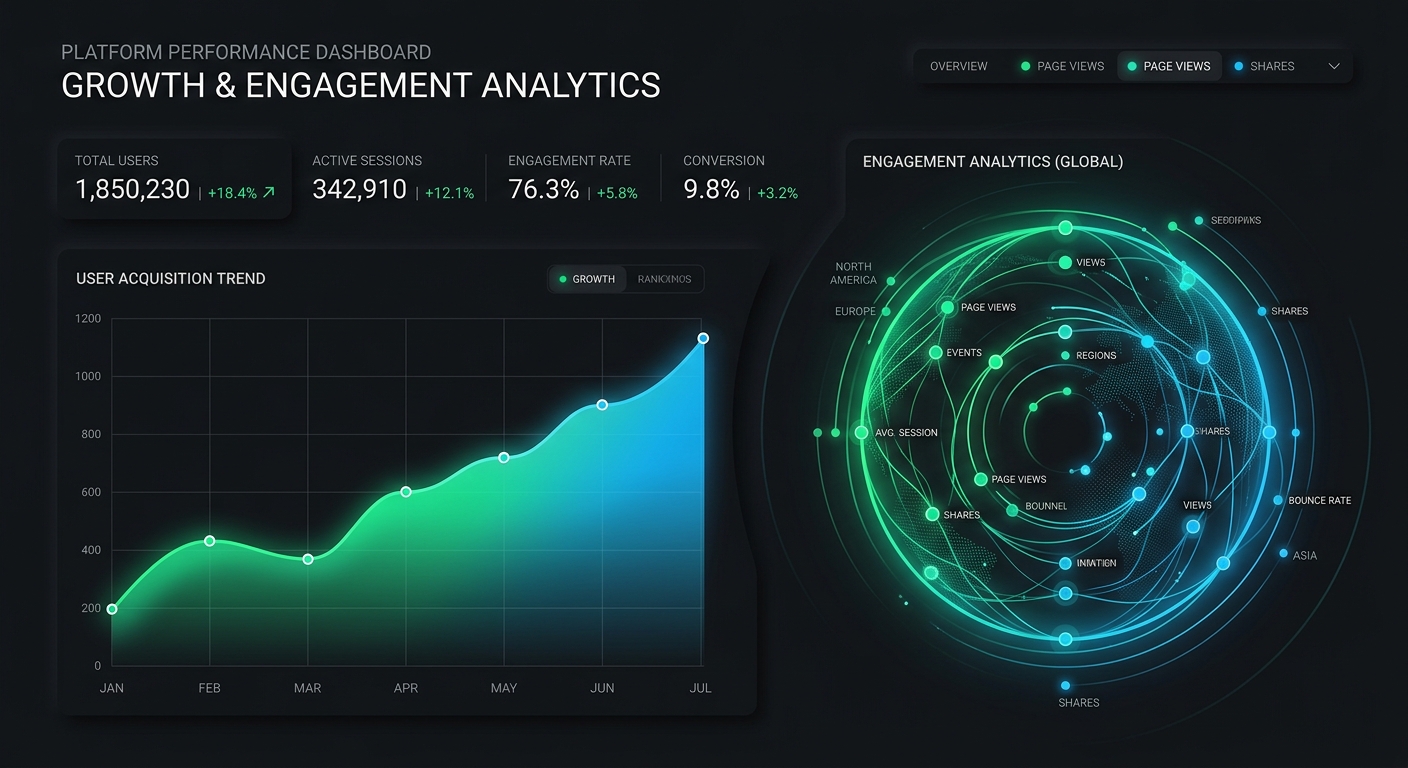
Brands burned by polished influencer ads that don't convert have pivoted aggressively to authentic UGC. The highest-demand format right now is raw-feeling social proof: someone real, talking directly to camera, showing a genuine reaction to a real product.
This is great news for UGC models. You don't need to be conventionally beautiful, have a perfect accent, or look like a professional model. You need to be believable. Brands buying most aggressively right now: consumer app companies, supplement brands, DTC skincare and beauty, and SaaS tools with short trial cycles.
---
FAQ: UGC Models in 2026
Do I need a large following to be a UGC model?
No. UGC models are paid for content files, not audience reach. Brands post the content themselves as ads or organic content. A private or small account is completely fine — many top-earning UGC models have under 500 followers.
How do I get my first UGC deal with no experience?
Film 3–5 spec videos with products you own, create a storefront on a platform like DansUGC, and start at a competitive beginner rate ($100–$150/video). Your first few deals build the portfolio that earns you $300+ per video.
What equipment do I need to start as a UGC model?
A modern smartphone (iPhone 12+ or equivalent Android), a ring light (~$30), and a basic tripod. Add a clip-on lavalier mic ($20–$40) if your room has echo. Total startup cost: under $100.
How long does it take to make $1,000/month as a UGC model?
Most creators who actively apply and pitch land their first deal within 2–4 weeks. Hitting $1,000/month consistently typically takes 6–10 weeks of delivering quality work and building repeat clients.
What's the difference between a UGC model and a UGC creator?
Essentially the same thing — "model" emphasises the on-camera, appearance-driven side, while "creator" is broader and includes voiceover-only or off-camera formats. In practice, platforms and brands use both terms interchangeably in 2026.
Ready to get UGC videos for your brand?
Real human creators, 48-hour delivery, full commercial rights. Starting at $9/video.